Why the Waterjet Nozzle Is a Critical Consumable
The waterjet nozzle, also known as an abrasive mixing tube, is a critical component in abrasive water cutting and abrasive waterjet systems. High-pressure water and abrasive form a focused jet inside the tube, so bore condition, material wear resistance and geometric consistency directly affect cutting accuracy, efficiency and consumable cost.
SwayHex uses a tungsten-carbide-based hard-alloy system and designs the manufacturing chain around hardness, strength, wear resistance, impact toughness and chemical stability. Performance does not come from a single step; it results from continuous control from raw material to final validation.
Ultra-Fine Powder Establishes the Material Foundation
The process begins with high-purity, low-impurity ultra-fine tungsten carbide powder. Finer and more uniform powder supports a dense, homogeneous material structure and establishes the basis for controlling porosity and grain distribution.
At this stage, material control and batch management are carried out together so that the subsequent sintering process always starts from a stable raw-material foundation.
Pressure-Assisted Pulsed-Current Sintering Improves Density
According to the current SwayHex process, the nozzles use pressure-assisted pulsed-current sintering without cobalt binder powder. Applied pressure and rapid current-assisted sintering help achieve high density, low porosity and a more uniform grain distribution.
Compared with conventional routes that rely on pre-forming, this process focuses on improving material stability and yield, providing the foundation for a balanced combination of hardness, strength and wear resistance.
Precision Machining Converts Material Performance Into Geometry
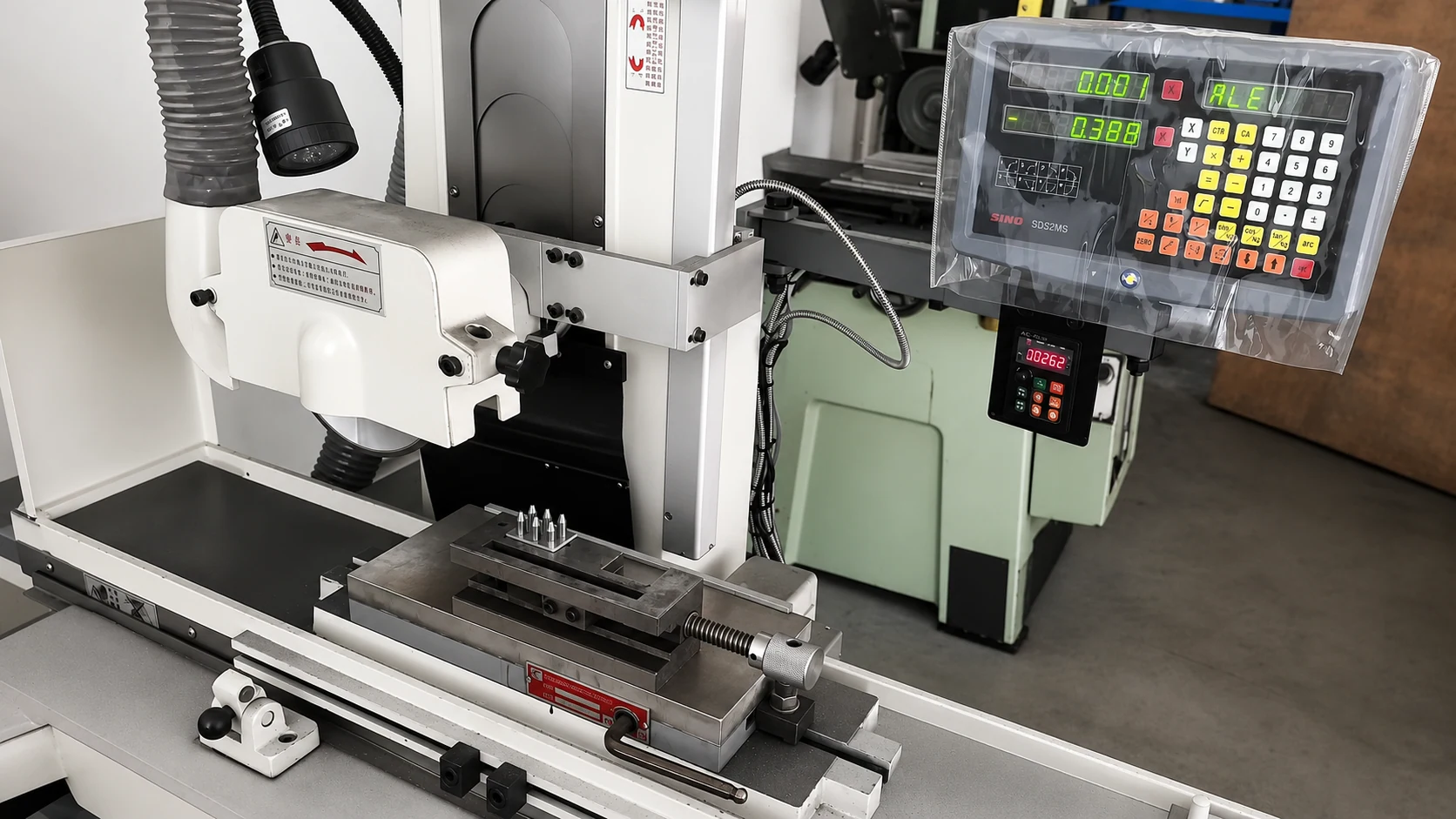
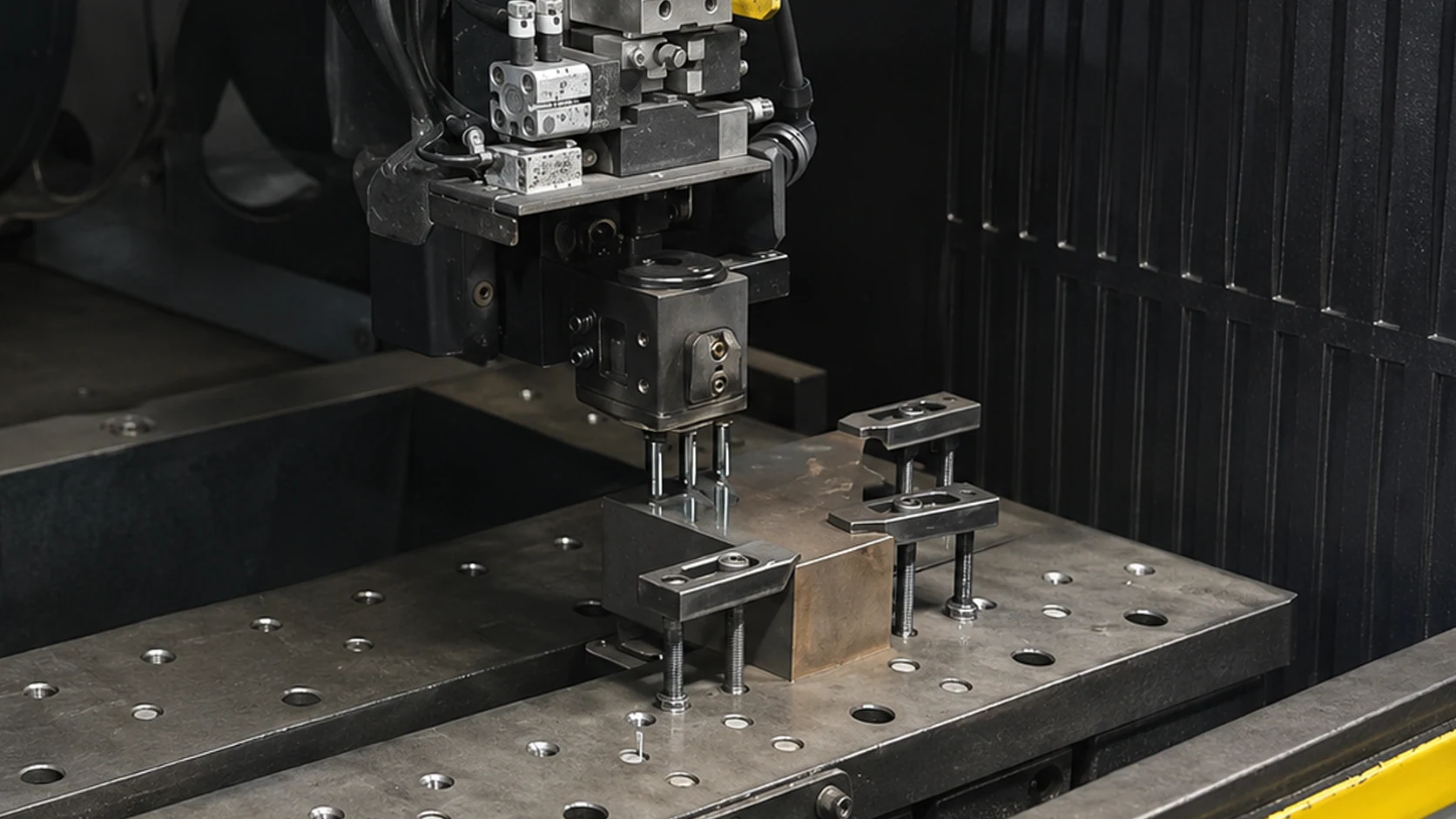
After sintering, the high-performance material still requires precision machining to create stable critical dimensions. Consistency of the tip, bore and outer geometry converts material properties into predictable jet behavior and wear patterns.
For customers running continuous production, stable batch dimensions reduce setup time after replacement and make cutting-compensation data easier to establish and reuse.
Every Batch Is Inspected Before Release
After forming and sintering, material density, hardness and transverse rupture strength are tested and analyzed. Finished products are sampled by batch and subjected to high-pressure cutting tests to observe wear behavior.
Only products whose wear rate and critical indicators meet internal standards are released for delivery. Material testing, dimensional inspection and real-condition validation form a traceable quality loop.
- Material density, hardness and transverse rupture strength testing
- Finished-product dimensional and visual inspection
- High-pressure cutting and wear-rate validation